
Why Financial Compliance Matters: How Organized Records Can Make Workers’ Compensation Audits Stress-Free
As a business owner, you’re responsible for more than just serving your customers and growing your revenue. You’re also responsible for maintaining accurate financial records, payroll documentation, and supporting business records that demonstrate your company is operating responsibly.
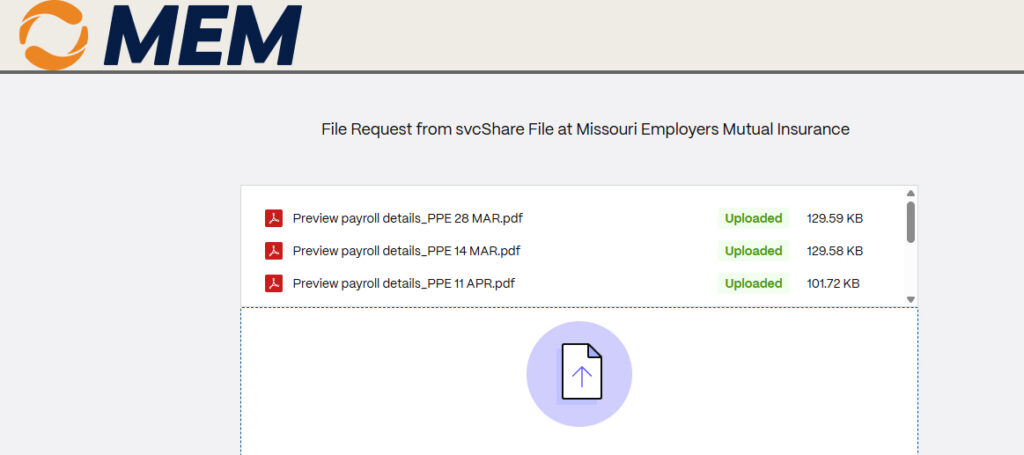
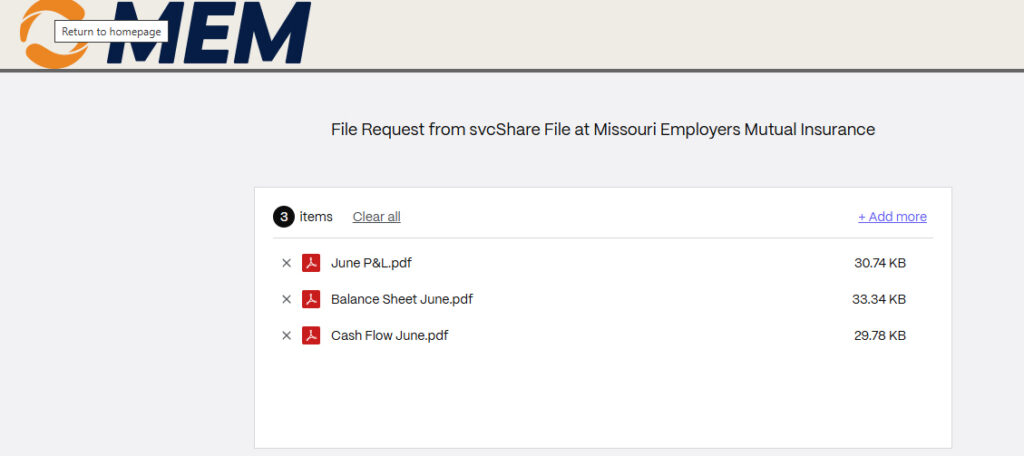
At TIER Financial Solutions, we’ve had the privilege of assisting several clients through their annual workers’ compensation insurance audits this year. Because our clients maintained organized financial records with our support, we were able to facilitate the audit process on their behalf by gathering and providing the documentation requested by the insurance auditor.
Rather than scrambling to locate paperwork at the last minute, our clients had confidence knowing their financial records were organized, accurate, and readily available.
The Importance of Being Audit-Ready
Workers’ compensation insurance audits are designed to verify payroll, employee classifications, and other information used to calculate insurance premiums. When your accounting records are maintained throughout the year, responding to an audit becomes significantly easier.
For many businesses, the challenge isn’t the audit itself—it’s finding the documents needed to support it.
At TIER Financial Solutions, we help business owners maintain the records necessary to confidently respond to audit requests.
Documentation That Supports a Successful Audit
Depending on your business operations, an auditor may request documents such as:
- Payroll registers and payroll summaries
- Employee payroll records, including pre-tax deduction details
- IRS Form 941 payroll tax returns
- State unemployment wage and tax reports
- General ledgers
- Business check registers
- Payments made to subcontractors and independent contractors
- Certificates of insurance for subcontractors who performed work for your business
- Additional supporting financial records when applicable
Because these records were properly maintained throughout the year, we were able to organize, review, and submit the requested documentation on behalf of our clients, making the audit process far less stressful.
Good Bookkeeping Is More Than Tax Preparation
Many business owners believe accounting is only necessary during tax season. In reality, quality bookkeeping provides year-round value.
Maintaining accurate financial records helps businesses:
- Prepare for insurance audits
- Support payroll reporting
- Improve financial decision-making
- Reduce costly errors
- Strengthen internal controls
- Save valuable time when documentation is requested
- Demonstrate professionalism to lenders, insurers, and other stakeholders
Proper bookkeeping isn’t just about compliance—it’s about protecting your business.
Let TIER Financial Solutions Help You Stay Prepared
If your financial records are disorganized, your payroll documentation isn’t complete, or you’re unsure whether your business is prepared for an insurance or payroll audit, now is the time to take action.
At TIER Financial Solutions, we partner with business owners to establish reliable accounting systems, maintain accurate financial records, and ensure critical documentation is organized before it’s needed—not after an audit notice arrives.
Your accountant should be more than someone who prepares your taxes once a year. They should be a trusted financial partner who helps your business remain organized, informed, and prepared for whatever comes next.
If your business files aren’t in order, or you’re operating without consistent financial recordkeeping and compliance practices, don’t wait until an audit exposes the gaps. Hiring a qualified accountant can save you countless hours, reduce unnecessary stress, and help protect your business.
At TIER Financial Solutions, we’re committed to helping business owners build stronger financial foundations so they can focus on growing their businesses with confidence.

